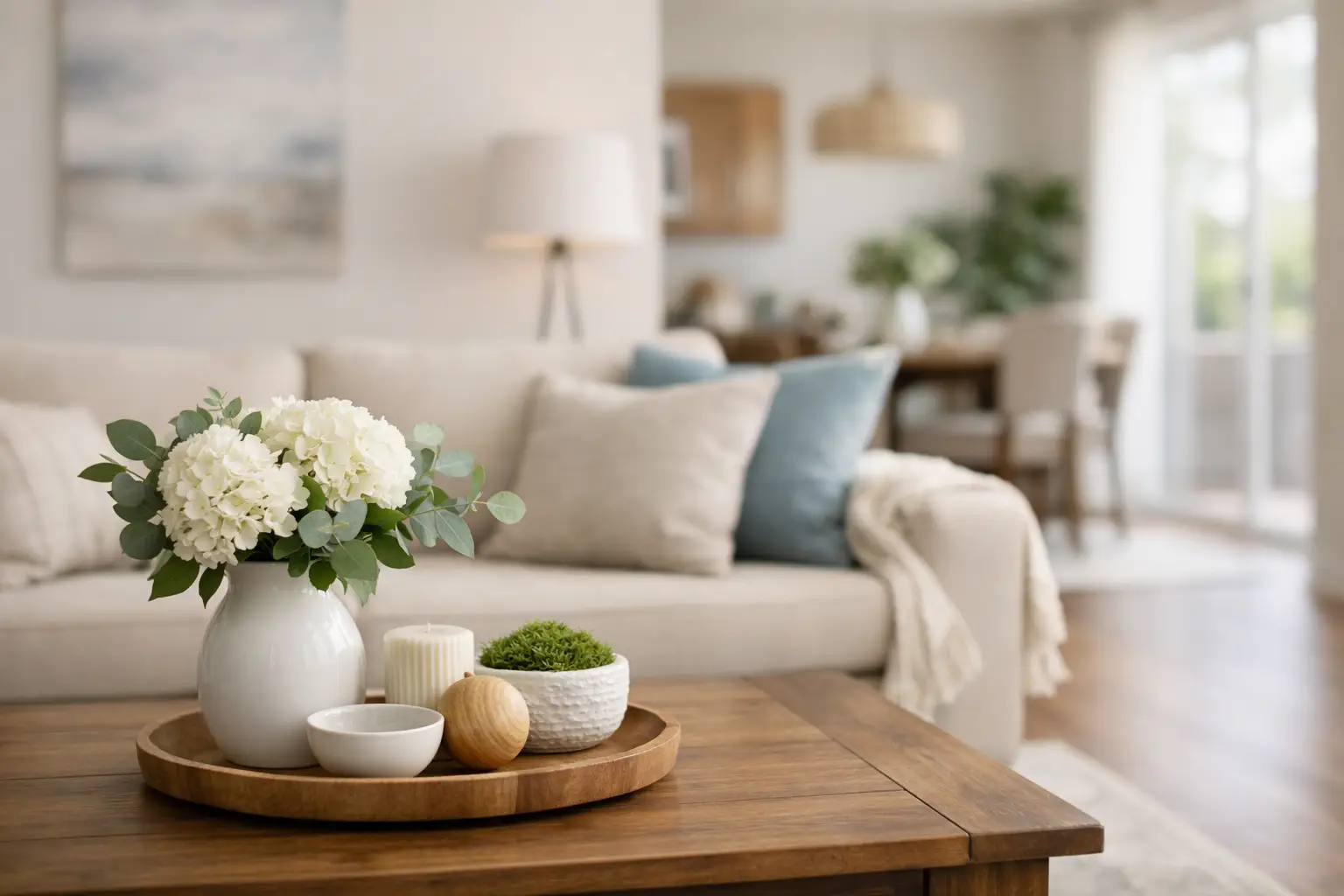
A buyer’s first showing often starts before they reach the front door. It starts with the lead photo on a phone screen, a short video on social media, or a shared listing sent to a family member. The best top home staging tips sellers are not about making a home look expensive or impersonal. They are about helping buyers immediately understand the lifestyle, light, space, and potential they are being offered.
In competitive Southern California markets, a well-staged home can create the kind of emotional connection that turns a casual online viewer into a serious appointment request. Whether you own a San Marino estate, an Arcadia family home, a San Gabriel condo, or an investment property elsewhere in California, staging should be part of your selling strategy, not a last-minute cleanup project.
Start With the Buyer You Want to Attract
Effective staging is not one-size-fits-all. A three-bedroom home near highly regarded schools should feel ready for family life. A downtown-adjacent condominium may need to emphasize flexibility, views, and a low-maintenance lifestyle. A luxury property should make its scale and architectural details feel intentional, not merely large.
Before moving furniture or buying decor, identify the likely buyer and the strongest reason they would choose your property over nearby alternatives. Is it the lot size, the remodeled kitchen, a home office, proximity to shopping, or rental potential? The staging plan should make those advantages easy to see within seconds.
This is also where local market knowledge matters. In affluent communities, buyers expect presentation to match the asking price. In investor-active areas, they may be looking for clean condition, functional layouts, and signs that a property has been well maintained. The goal is not to hide a home’s identity. It is to present its best version to the audience most likely to act.
Top Home Staging Tips Sellers Should Prioritize First
Remove visual friction, not all personality
Decluttering is the foundation of staging, but sellers sometimes take it too far. A completely empty or sterile home can feel cold in photos and harder to understand in person. Instead, remove items that make rooms feel smaller, busier, or overly personal: overflowing shelves, refrigerator magnets, family-photo walls, bulky exercise equipment, and extra furniture that interrupts walking paths.
Keep enough warmth for buyers to imagine living there. A well-placed art book, a simple throw, fresh towels, and a few restrained accessories can make a space feel cared for. The right question is not, “Does this look like nobody lives here?” It is, “Can a buyer picture their life here?”
Make every room’s purpose obvious
Buyers should not need to guess whether a space is a dining room, a home office, or a storage area. An unclear room creates doubt about usable square footage, especially when buyers are comparing multiple homes in one day.
If a bedroom has become a catch-all, restore it as a bedroom or show it as a clean office with a desk, chair, and simple lighting. If your dining area is used for work, set it back up for dining before photography and showings. Function sells. It gives buyers a quick answer to the question they are already asking: “Will this home work for us?”
Let natural light do its job
Southern California buyers notice light immediately. Open curtains and blinds, clean windows, replace burned-out bulbs, and use consistent warm-white lighting throughout the home. Dark corners can make even a spacious property feel dated or neglected in listing photos.
There is a trade-off, though. If a window faces a close neighbor, a busy street, or an unattractive view, use sheer window coverings or thoughtful furniture placement to soften the distraction without making the room feel closed off. Staging is about directing attention toward the home’s strengths.
Edit furniture for scale and flow
Oversized sectionals, too many chairs, and heavy cabinets can make a room photograph smaller than it is. Create clear paths from one space to the next, particularly in entryways, living rooms, and primary bedrooms. Buyers need to move through the home easily during a showing.
You do not always need a full furniture rental. Sometimes removing one large piece, replacing a worn chair, or repositioning a sofa is enough to change the room’s proportions. For vacant homes, strategic staging is often worthwhile because empty rooms can look smaller online and buyers may struggle to visualize furniture placement.
Treat the kitchen and bathrooms as decision rooms
Buyers may forgive an older bedroom more easily than a kitchen or bathroom that feels dirty, crowded, or poorly maintained. Clear counters almost completely, except for a few intentional items such as a small bowl of fresh fruit, a cookbook, or a simple tray. Remove dish racks, countertop appliances, cleaning supplies, and personal toiletries.
Fresh white towels, clean grout, polished fixtures, and neutral soap dispensers create a stronger effect than elaborate decor. If a full renovation is not justified before selling, small repairs and deep cleaning often deliver a better return than cosmetic upgrades chosen without a clear market strategy.
Do Not Forget the First Ten Feet
The exterior is your first chance to signal care and value. Buyers often wait outside while agents open lockboxes, which gives them time to notice overgrown landscaping, peeling paint, stained walkways, or a tired front door. These details can shape the entire showing before anyone steps inside.
Focus on the first ten feet from the curb, driveway, or front gate. Trim landscaping, remove dead plants, pressure-wash hard surfaces when needed, clean the porch light, and make sure house numbers are visible. A healthy doormat and a simple potted plant can help, but condition matters more than decoration.
Backyards deserve the same attention. In California, outdoor space is part of the home’s livable square footage. Define a seating area, clear children’s toys and gardening supplies, and make patios or decks look ready for use. Even a compact yard can sell a lifestyle when it feels private, clean, and purposeful.
Stage for the Camera Before the Open House
A staged property must perform in two places: in person and on a screen. Digital marketing is often the first showing, especially for buyers who are relocating, traveling, or sharing options with relatives. A home that looks good only in person can lose momentum before it ever receives a visit.
Prepare for professional photography and video as carefully as you prepare for an open house. Hide cords, remote controls, trash cans, pet items, tissue boxes, and visible cleaning products. Turn on lights, open window treatments, and make beds with crisp, neutral bedding. Consider how rooms will look in vertical video, where a buyer may see a kitchen, living room, or backyard in a few quick seconds.
Aspire La Shine approaches listing presentation with this digital reality in mind. The strongest visual story is not simply a collection of attractive rooms. It is a sequence that quickly communicates why the property is worth a closer look, then gives serious buyers enough detail to schedule a showing.
Spend Where Buyers Can See It
Sellers do not need to spend freely to stage effectively. They need to spend selectively. Cleaning, paint touch-ups, landscaping, lighting, and minor repairs typically improve perception because buyers encounter them immediately. Replacing outdated cabinet hardware or a worn bathroom mirror may also be worthwhile when it helps a room feel current.
Be cautious with major upgrades right before listing. A new kitchen can add appeal, but it may not return its full cost if buyers would have chosen different finishes or if the neighborhood has a clear pricing ceiling. The same is true for expensive furnishings purchased solely for staging. Ask whether the investment will improve listing visibility, buyer confidence, and likely offers enough to justify the cost.
For occupied homes, professional staging can be partial rather than comprehensive. A consultation may identify exactly which rooms need attention and which existing pieces can remain. For vacant or luxury properties, full staging can be more compelling because it establishes scale and supports premium photography.
Create a Showing Routine That Holds Up
Staging can fail if the home looks perfect for photos but becomes difficult to maintain once showings begin. Build a simple routine that allows you to reset the home quickly: beds made, counters cleared, lights on, blinds adjusted, bins emptied, and pet supplies stored. Keep a small basket or tote for last-minute items that need to leave the room before a showing.
If you are living in the home with children, pets, or a busy work schedule, aim for polished and practical rather than flawless. Buyers understand that homes are lived in. What they want to see is evidence that the property has been cared for and is ready for its next owner.
The right staging decision is the one that makes a buyer pause, look again, and imagine moving forward. Give them a clean visual story, a clear sense of how the home lives, and a reason to picture their next chapter there.