Section 8 property investment

The local housing authority pays its share of the rent
directly to the landlord each month under a HAP contract.

This page is for landlords and investors. If you want to apply for a housing voucher, please contact your local housing authority.

Backed by 41 years of Southern California real estate and lending experience, we help you select, finance, and manage rent-producing homes in Section 8 friendly markets nationwide — from pre-approval to rent collection, in Chinese or English.

Aspire LaShine helps California investors buy Section 8 rental homes in landlord-friendly states. Under a Housing Assistance Payments contract, the local housing authority pays its share of the rent directly to the landlord each month; the share depends on the tenant's income. Services include property selection, DSCR or foreign national financing, and remote property management. Led by Elena Jiang (DRE #02200110).

In short

How does a Section 8 landlord get paid?

Section 8 (the Housing Choice Voucher program) is a federally funded rental subsidy run by local public housing authorities. The landlord rents to a voucher household; the tenant pays about 30% of household income, and the housing authority deposits the rest of the rent directly into the landlord's account each month. Investors usually buy single-family homes in lower-priced, landlord-friendly states, finance with a DSCR or foreign national loan, and hand day-to-day management to a local team. At Aspire LaShine, Elena Jiang leads state selection, financing, and management setup.

Returns · Why Section 8

Why property investors
actively choose Section 8 tenants.

Section 8 (the Housing Choice Voucher program) is a federally funded rental subsidy administered by local housing authorities. For a landlord, what it changes isn't the property — it's whether the rent arrives on time, every time.

01 · Cash flow

Housing authority pays part of the rent directly

The tenant pays 30% of household income; the housing authority deposits the remaining balance in the landlord's account every month, independent of the tenant's personal finances or employment changes.

02 · Vacancy

Long tenancies, low turnover

Moving is costly for voucher households and eligible inventory is limited, so actual tenancies usually run longer than the market average, reducing vacancy and re-leasing costs.

03 · Rent review

Reviewed against the market each year

Rent is benchmarked to the local fair market rent (FMR) or payment standard, which HUD reviews annually against local conditions — it is not fixed forever.

04 · Entry point

High rent-to-price Midwest and South

The friendly states reviewed here are mostly affordable Midwest and Southern markets, where prices are lower, rent-to-price ratios higher, and cash-flow returns generally better than comparable coastal homes.

The above describes how the Section 8 program generally works and is not personalized investment advice; actual returns vary with the property, market, management quality, and policy changes.
Market selection · Where to invest

Section 8 friendly states across the U.S.

We prioritize landlord-friendly legal environments, higher rent-to-price ratios, and steady voucher demand, and have circled the markets below for Chinese investors.

阿拉巴马亚利桑那佛州佐治亚印第安纳北卡德州密苏里阿肯色俄亥俄田纳西
State borders are simplified and shown for illustration only · gold marks the friendly states reviewed here
Section 8 friendly statesOther states
阿肯色AR

房价低 · 净租金回报率高

阿拉巴马AL

伯明翰租售比全美领先

北卡罗来纳NC

夏洛特都会区需求稳健

德克萨斯TX

无州个人所得税 · 房东友好法规

俄亥俄OH

克利夫兰高租金回报

佛罗里达FL

房东友好 · 人口持续净流入

密苏里MO

圣路易斯 · 堪萨斯城租售比高

田纳西TN

孟菲斯 · 无州个人所得税

亚利桑那AZ

凤凰城人口持续流入

印第安纳IN

低价入场 · 现金流强劲

佐治亚GA

亚特兰大就业与人口增长快

Portfolio

A look at current Section 8 homes.

Below are live offers the acquisition team is working, with figures from internal underwriting. These homes are still at the offer, negotiation, or pending stage — not completed acquisitions — and your advisor's confirmation governs.

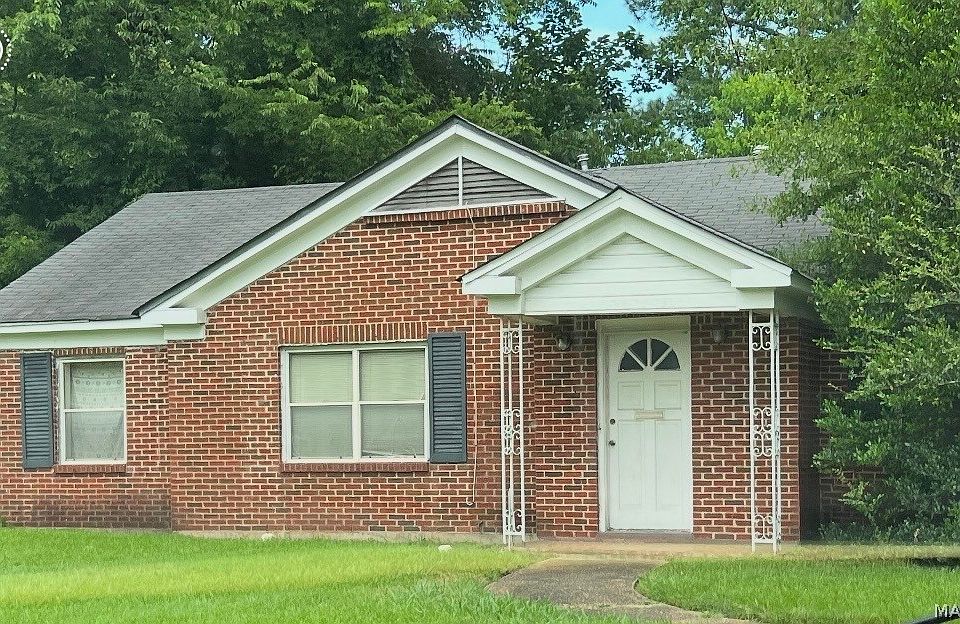
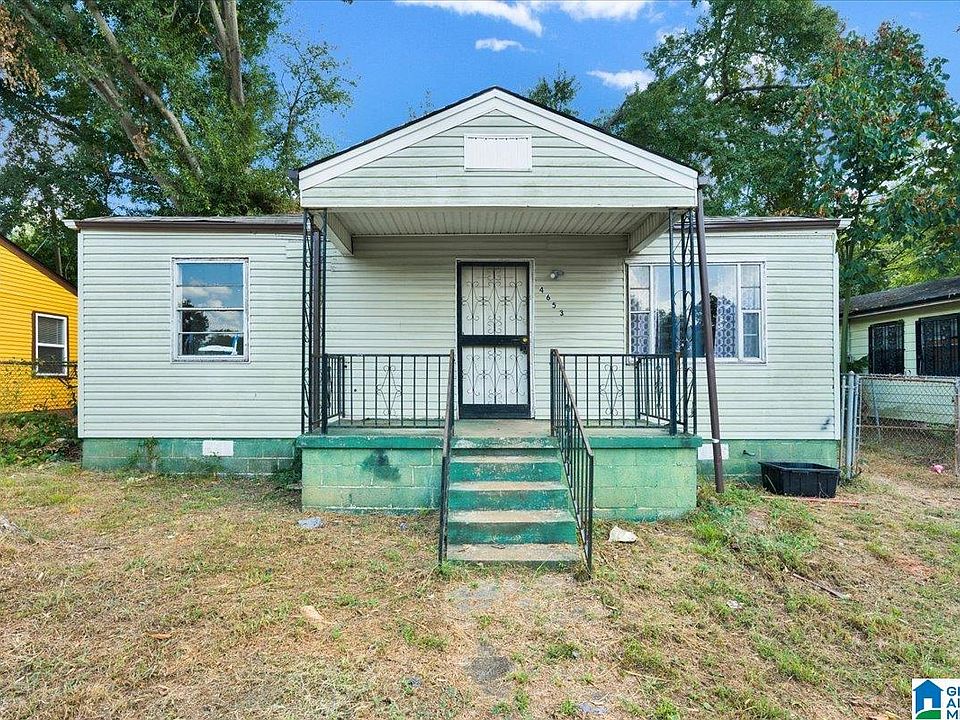
Section 8 investment homeAcquiring · Offer submitted
Birmingham, Alabama

Single family · 3 bd 1 ba · approx. 1,096 sqft

Net monthly cash flow$370/mo
Est. cash in$10,480
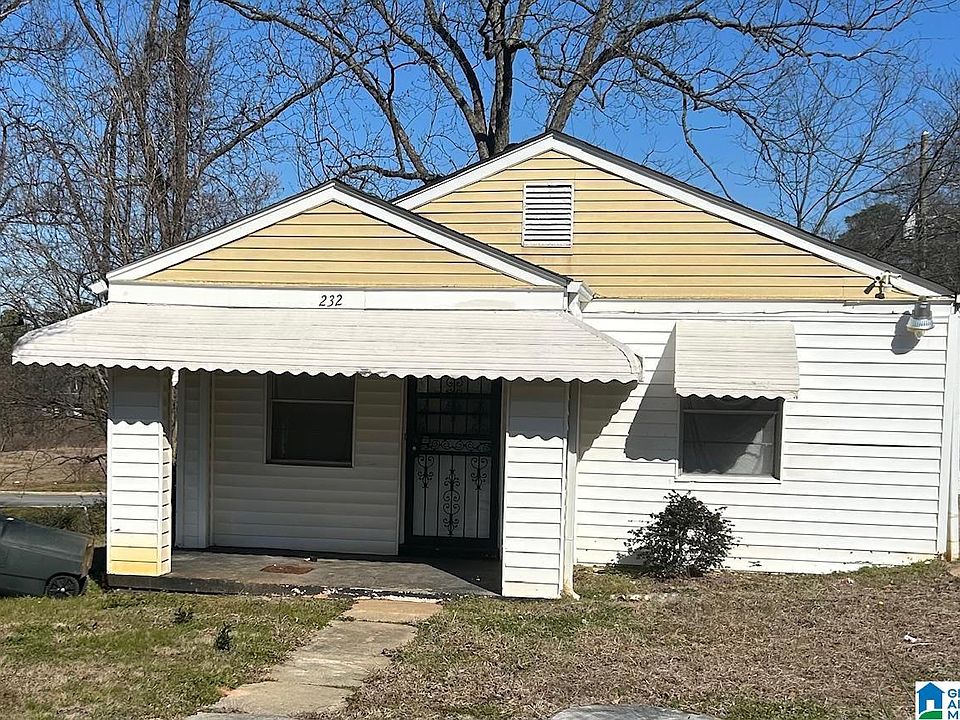
Section 8 investment homeAcquiring · Accepted by seller
Montgomery, Alabama

Single family · 3 bd 1 ba · approx. 1,394 sqft

Net monthly cash flow$319/mo
Est. cash in$12,038
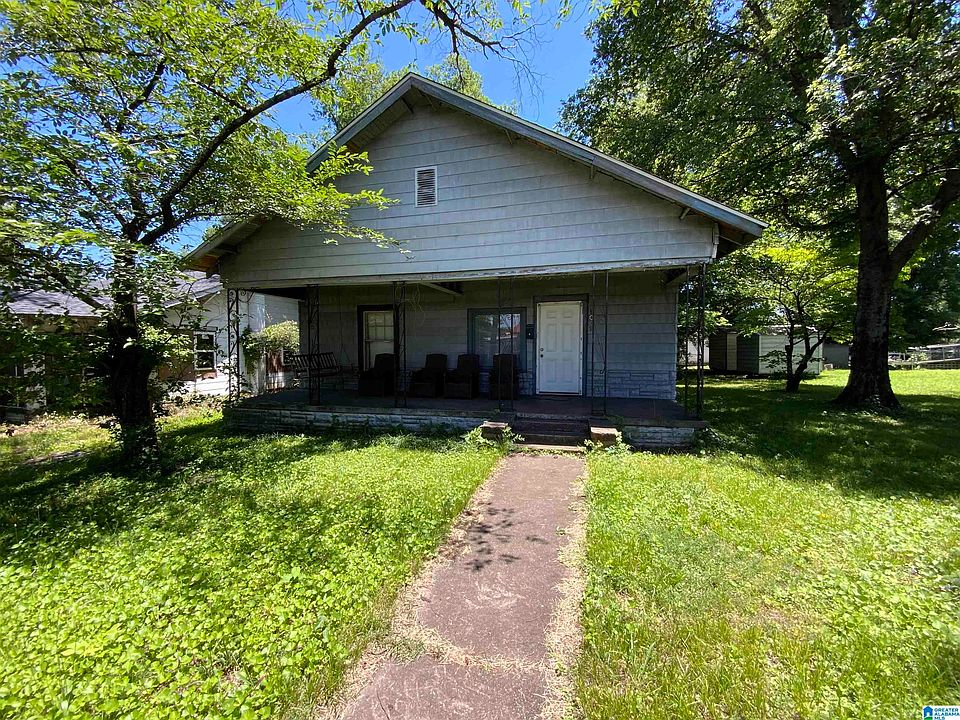
Section 8 investment homeAcquiring · Accepted by seller
Birmingham, Alabama

Single family · 3 bd 1 ba · approx. 900 sqft

Net monthly cash flow$218/mo
Est. cash in$8,788
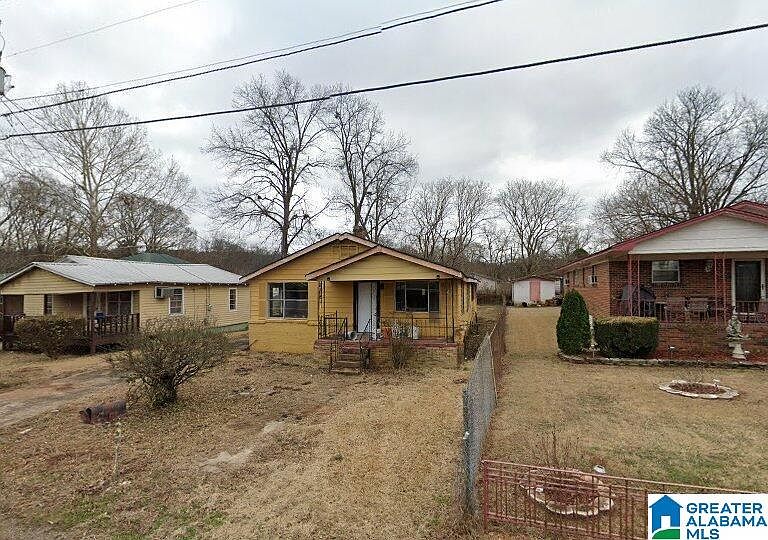
Section 8 investment homeAcquiring · Counter-offer in progress
Birmingham, Alabama

Single family · 3 bd 1 ba · approx. 1,290 sqft

Net monthly cash flow$322/mo
Est. cash in$13,308
Section 8 investment homeAcquiring · Counter-offer in progress
Birmingham, Alabama

Single family · 3 bd 1 ba · approx. 1,296 sqft

Net monthly cash flow$254/mo
Est. cash in$29,899

Figures are internal underwriting estimates for homes still at the offer or negotiation stage. They are not completed acquisitions and are not a promise of returns.

Videos

Elena explains Section 8

What is Section 8? A family in Irvine pays only a few hundred a month

Same money, California vs Ohio — how different are the returns?

Why is Section 8 criticized everywhere, while insiders quietly profit?

Section 8 FAQ · Episode 1

Section 8 FAQ · Episode 2

$35K can't buy a bathroom in California but buys a whole house in Ohio · An LA agent's Ohio trip vlog

Section 8 vs. regular rental

Section 8 rentalRegular rental
Who pays rentThe housing authority pays its share directly to the landlord under a HAP contract; the tenant pays the restTenant pays all rent
Rent levelMust pass the housing authority's rent reasonableness reviewSet by the market
InspectionsHousing authority inspects before move-in and periodicallyNo outside inspection
PaperworkHAP contract and annual recertificationStandard lease
ManagementCan be managed remotely by a local property managerSame

Program rules vary by housing authority.

FAQ

What you should know about
Section 8 property investment.

What is Section 8?+
Section 8 (the Housing Choice Voucher program) is a federally funded rental subsidy run by local public housing authorities (PHAs) for eligible low-income households, seniors, and people with disabilities. Voucher households find housing on the open market, and the housing authority pays the subsidy portion of the rent directly to the landlord each month.
How much does the landlord receive, and when?+
The tenant pays 30% of adjusted household income; the housing authority pays the remaining rent to the landlord in full each month by direct deposit, on a relatively fixed schedule that doesn't move with the tenant's personal finances.
Must a landlord accept Section 8 tenants?+
It varies by state. More than twenty states, California included, and some cities prohibit refusing voucher holders on the basis of source of income; where no such law exists, participation is the landlord's choice — one of the key factors we weigh when selecting states.
What condition must the home meet before renting?+
The home must pass Housing Quality Standards (HQS) inspection covering plumbing, electrical, heating, and structural safety, and is typically re-inspected by the housing authority every one to two years after move-in.
Will rent stay low and never rise?+
Rent references the local housing authority's published fair market rent (FMR) or payment standard, which HUD reviews and adjusts annually against local market conditions — it is not fixed.
I'm overseas or self-employed — can I still invest?+
Yes. Investment property financing can use a DSCR loan (the rent covers the payment; no personal tax returns) or a foreign national loan (no U.S. credit history, qualified on overseas bank statements or assets, typically from 30% down).
I'm not in the U.S. — who manages the property and tenants?+
Typically a local property manager or a done-for-you (DFY) service handles leasing, maintenance, rent collection, and coordination with the housing authority; investors can follow property status and accounts remotely.
How do I control the risk of tenant damage?+
How a home is kept varies by person and has no necessary connection to holding a voucher. Voucher tenants still go through the landlord's normal credit and background screening (credit history and past rental records remain lawfully reviewable outside of source of income), the home must meet housing quality standards and pass periodic inspections, and damage is governed by the lease and deductible from the deposit. An experienced management team doing move-in screening and regular inspections is the key control here.
What annual return can I expect?+
Returns vary widely with purchase price, local rent levels, loan structure, and operating costs. The property cards on this page are examples only and do not represent actual or promised returns. When evaluating a specific property we provide a detailed cash-flow projection and net return reference.
Is changing tenants or exiting the investment difficult?+
You always own the property and can sell, change tenants, or exit like any rental. Participating in Section 8 only affects who pays the rent, not ownership or the sale process; the local management team assists with turnover and routine maintenance.
What are the risks?+
As with all real estate, there is vacancy, maintenance spend, local market movement, and policy change; returns vary with the property, the area, and management quality. This page is general information only and is not personalized investment advice.
Free consultation

Leave your details and we'll call you back.

Start the conversation

Assess your first Section 8 property,
in your language.

The first consultation is free and covers financing options, target-state selection, and remote management. An advisor will be in touch within one business day.

Aspire LaShine WeChat QR code
Scan on WeChat
WeChat ID · jly54301

Content updated October 2026