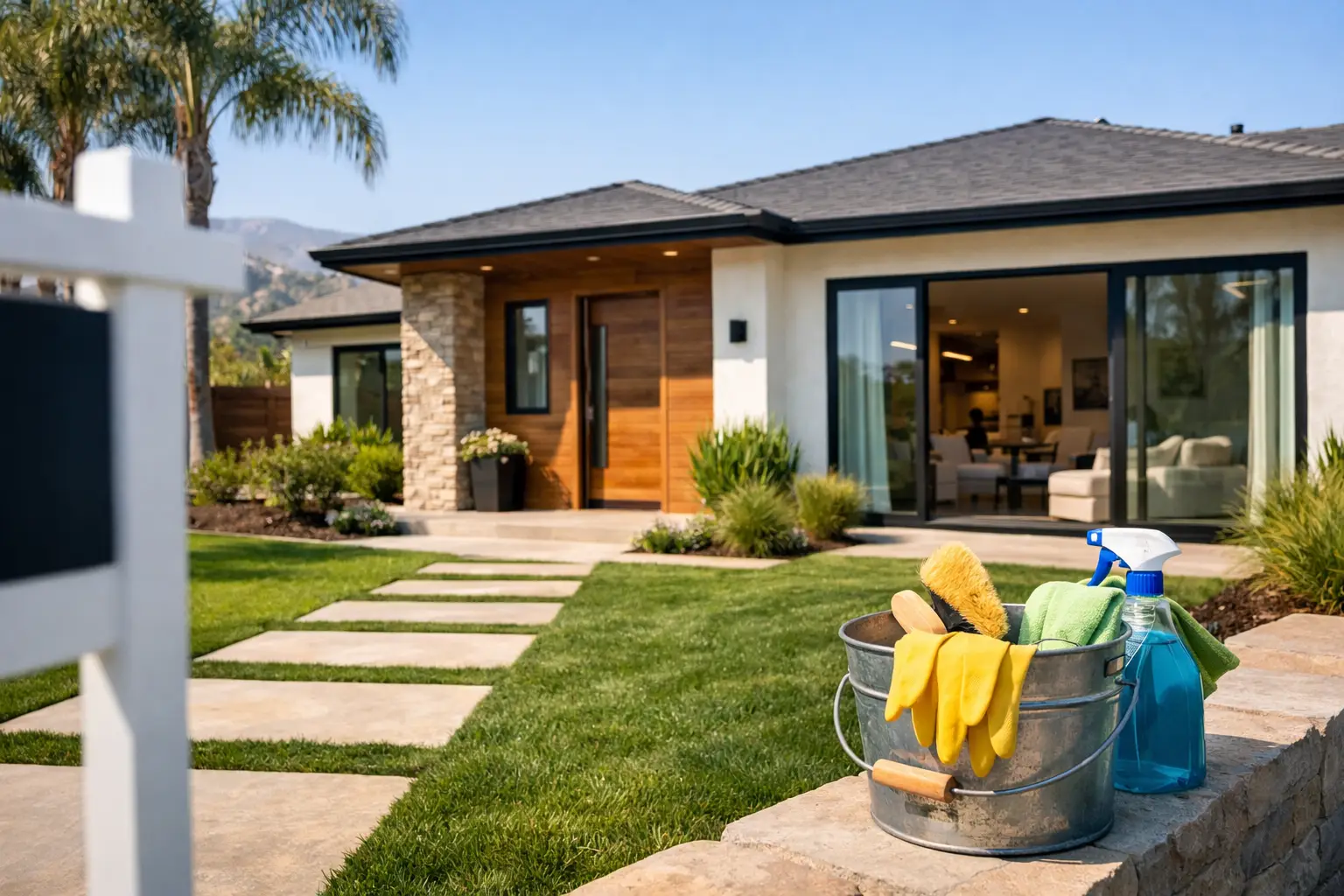
The first weekend your home hits the market can shape the entire sale. In places like San Marino, Arcadia, San Gabriel, and across Southern California, buyers move quickly when a property feels well-positioned, well-presented, and priced with intent. If you're asking how to prepare home for sale, the goal is not simply to make it look nicer. The goal is to make buyers feel confident, competitive, and ready to act.
That takes more than cleaning the countertops and taking a few photos. Preparing a home for sale is part property improvement, part buyer psychology, and part market strategy. The right preparation can affect days on market, negotiation leverage, and final price. The wrong preparation can waste money on upgrades buyers do not value.
How to prepare home for sale with the right strategy
Before you spend a dollar on paint, start with positioning. Every home sells in a competitive set, not in a vacuum. A condo in Pasadena, a family home in Arcadia, and an investment property in the San Gabriel Valley all attract different buyers, and those buyers care about different things.
This is where sellers often lose time. They prepare the home based on personal taste instead of market expectations. A seller might remodel a bathroom that did not need a full remodel, while ignoring lighting, flooring touch-ups, or landscaping that would have made a stronger first impression. The smarter approach is to prepare for the buyer pool most likely to purchase the property.
If the likely buyer is a move-up family, function and cleanliness matter. If the likely buyer is an investor, visible maintenance and rent potential may matter more than decorative updates. If the likely buyer is relocating and shopping online first, digital presentation becomes just as important as the physical showing.
Start with condition, not decoration
One of the best answers to how to prepare home for sale is also the least glamorous: fix what looks deferred. Buyers are far more forgiving of an outdated finish than they are of a home that feels neglected.
Walk through the property as if you were seeing it for the first time. Dripping faucets, loose handles, cracked outlet covers, sticky doors, damaged screens, stained grout, burned-out bulbs, and chipped baseboards create a subtle but powerful message. They suggest ongoing maintenance has not been a priority. That can make buyers wonder what bigger issues are hiding behind the walls.
In California, visible roof wear, drainage concerns, old water heaters, HVAC problems, and signs of termite damage can quickly raise caution. Not every issue needs a major repair before listing, but obvious defects should be addressed early if they are likely to come up in inspections or buyer objections.
There is a trade-off here. Some sellers over-improve and recover very little. A full kitchen renovation right before sale rarely makes sense unless the home is competing at the very top of a luxury segment where buyer expectations are unusually high. In most cases, light improvements outperform major remodeling. Fresh paint, repaired surfaces, updated light fixtures, and a deep clean often do more for marketability than expensive construction.
Declutter so the space reads clearly
Buyers do not just buy square footage. They buy the feeling of space, ease, and possibility. That is why decluttering matters so much.
A crowded room looks smaller in person and even smaller in photos. Oversized furniture, too many personal items, and overfilled closets make it harder for buyers to picture their own life in the home. This is especially important in Southern California, where natural light and indoor-outdoor flow are major selling points. If the home feels blocked, dark, or visually busy, you lose one of the region's biggest advantages.
Pack what you do not need for the next few months. Clear kitchen counters, simplify bookshelves, reduce family photos, and organize storage areas. Yes, buyers open closets, garages, and cabinets. A neat storage space signals that the home has been cared for and has room to spare.
Depersonalizing does not mean making the home cold. It means removing distractions. Buyers should remember the layout, not your refrigerator magnets or packed display shelves.
Clean like the market is watching
It is. Buyers notice cleanliness immediately, and online media makes every detail more visible.
A standard tidy-up is not enough before listing. The home should be deep-cleaned from top to bottom, including windows, tracks, vents, grout lines, baseboards, appliances, and flooring. Pay attention to odor as much as appearance. Pet smell, cooking odor, mildew, and heavy fragrance can all work against a sale.
This is one of the highest-return preparation steps because it affects both photography and showings. Clean homes photograph better, feel newer, and create less resistance during tours. For occupied homes, maintaining that level of cleanliness can be hard, but it matters. Strong early impressions drive stronger early offers.
Use staging selectively and intelligently
Staging is not about filling a house with trendy furniture. It is about helping buyers understand scale, use, and lifestyle.
If the home is vacant, staging can be especially valuable because empty rooms often feel smaller and less memorable. If the home is occupied, partial staging or styling may be enough. The key is to highlight the rooms that influence value perception most - typically the living room, kitchen, primary bedroom, and dining area.
In higher-end neighborhoods, buyers expect a polished presentation. In investor-oriented or entry-level segments, full staging may not always be necessary. It depends on the price point, competition, and property style. A good listing strategy looks at expected return, not just appearance.
For multilingual and international buyers, visual presentation carries even more weight because many first impressions happen digitally before an in-person showing is scheduled. That means the home needs to communicate clearly across platforms and audiences without an agent standing there to explain it.
Boost curb appeal because it sets the tone
The exterior creates the first emotional signal. If the front of the property feels tired, buyers may walk in expecting problems.
Fortunately, curb appeal does not always require a major budget. Trim landscaping, remove dead plants, clean pathways, refresh mulch, pressure-wash hard surfaces, and make sure the entry feels bright and inviting. A freshly painted front door, updated house numbers, and clean exterior lighting can sharpen the overall impression quickly.
This is especially valuable in neighborhoods where buyers tour multiple homes in one day. You want the property to feel crisp and market-ready before they even step inside.
Prepare for photos, video, and platform marketing
Today, preparing a home for sale means preparing it for media. The majority of buyers meet your property on a screen first, and they decide within seconds whether to keep scrolling or schedule a showing.
That makes professional photography essential. In many cases, video, short-form content, drone footage, and floor plans can also help expand reach and create stronger momentum. Homes that show well visually tend to perform better because they attract more attention early, and attention creates competition.
This is where a market-savvy brokerage can make a measurable difference. Aspire La Shine, for example, approaches listings with both traditional sales strategy and modern digital promotion in mind, which matters in a California market where buyer attention is fragmented across multiple platforms and communities.
When preparing for media day, think like a brand launch. Open blinds, turn on lights, hide cords, remove countertop clutter, and make outdoor spaces look usable. If the home has a patio, balcony, pool, or garden, those features should feel intentional. Southern California buyers place real value on lifestyle spaces, but only when they are presented clearly.
Price preparation matters too
Sellers often separate home preparation from pricing, but they are connected. A fully prepared home can support a stronger list price because buyers perceive less work, less risk, and more move-in readiness.
At the same time, no amount of preparation can completely overcome a price that overshoots the market. That is why comparative market analysis should happen before listing decisions are finalized. Sometimes the right move is to spend modestly and price sharply. Other times, investing in presentation can help justify aiming higher.
It depends on inventory levels, seasonality, neighborhood demand, and buyer profile. In fast-moving pockets, speed may matter more than perfection. In slower or more selective segments, presentation can be the edge that keeps a listing from sitting.
Gather documents before buyers ask
A well-prepared sale is not just visual. It is operational.
If you have permits for major work, warranties for upgrades, HOA information, utility cost records, or recent inspection reports, organize them early. Buyers and their agents often interpret quick, clear documentation as a sign of a serious and transparent seller. That can reduce friction once offers come in.
For trust and estate sales, investment properties, or homes owned by families managing multiple decision-makers, this step matters even more. Delays in paperwork can slow momentum at exactly the wrong time.
Know when to stop improving
One of the hardest parts of preparing a home for sale is knowing where to draw the line. Sellers can keep tweaking forever. New lamp, new mirror, new tile, new landscaping plan. At some point, the home needs to hit the market.
The right standard is not perfection. It is readiness that aligns with the price point and buyer expectations. A well-prepared home feels clean, maintained, bright, and easy to understand. It photographs strongly, shows without friction, and gives buyers fewer reasons to hesitate.
If you are thinking about how to prepare home for sale, think beyond cosmetics. Prepare the property to compete, to market well, and to support the kind of offer you want. The homes that win attention are usually not the ones with the biggest renovation budget. They are the ones that enter the market looking intentional from day one.
A smart sale starts before the sign goes up, and that early work is often where the best leverage is built.