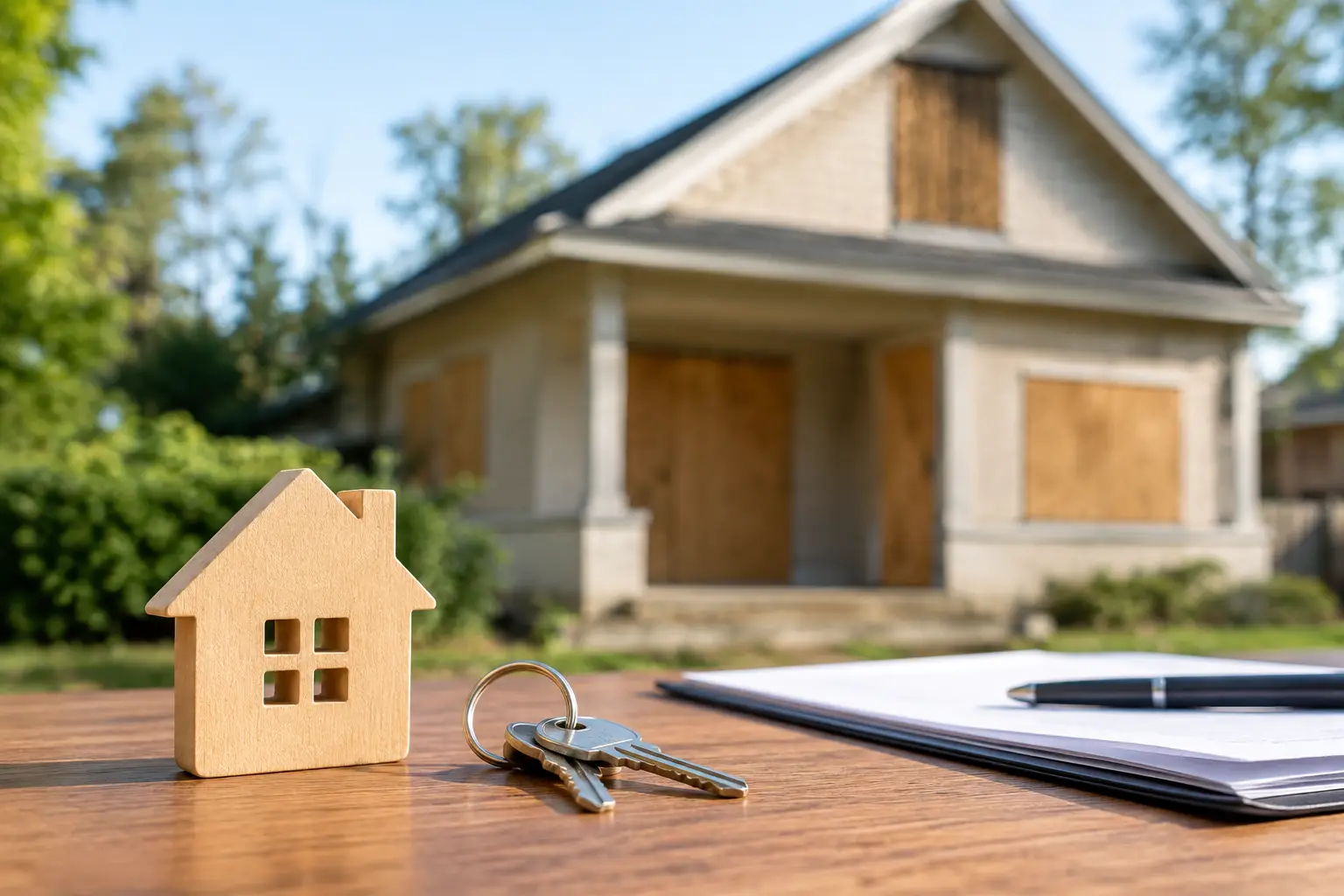
A foreclosure listing can look like the kind of California opportunity buyers wait years to find: a home in an established neighborhood, a price below nearby sales, and room to create value. The catch is that learning how to buy a foreclosure home means understanding what you may not be able to see at first glance. A lower purchase price can be meaningful, but condition, title, timing, financing, and competition determine whether it is actually a strong acquisition.
For buyers and investors in Southern California, the best foreclosure purchase is rarely the fastest offer. It is the property where the numbers, risks, and exit strategy all make sense before you commit.
Know Which Type of Foreclosure You Are Buying
“Foreclosure” covers several very different buying situations. A pre-foreclosure is a home where the owner has fallen behind on payments but still owns the property. It may be listed traditionally, and a buyer can often inspect the home, negotiate terms, and use standard financing. These purchases can be more flexible, but they also require sensitivity and a clear timeline because the seller may be facing a scheduled sale date.
A bank-owned property, often called REO or real estate owned, has already gone through foreclosure and is now owned by the lender. This is usually the most approachable foreclosure category for an owner-occupant buyer. The bank typically lists the home through an agent, accepts offers, and allows a normal escrow process, although its contract terms may be less flexible than a typical resale transaction.
A trustee sale or foreclosure auction is the highest-risk route. In California, auction buyers may need cashier’s checks or other immediately available funds, often cannot inspect the interior before bidding, and take on more uncertainty around occupancy, condition, and title. The discount must be substantial enough to justify those risks. For many first-time buyers, an auction is not the right starting point.
Set Your Budget Beyond the Purchase Price
The number on the listing is only the entry point. A foreclosure buyer should create a complete acquisition budget before touring homes or placing bids. That budget needs to include the down payment, closing costs, lender fees, insurance, property taxes, immediate repairs, utility activation, and a reserve for surprises.
On an older home in areas such as Arcadia, San Gabriel, or nearby established neighborhoods, deferred maintenance can be expensive. Roof issues, aging electrical panels, plumbing leaks, foundation drainage, unpermitted additions, HVAC replacement, and neglected landscaping can quickly change a deal’s economics. If the home will be an investment property, also model vacancy time, rent-ready work, ongoing maintenance, and property management.
A practical rule is to keep a contingency reserve that matches the property’s visible condition and the limits of your inspection access. A clean, vacant REO home with full inspections carries a different reserve requirement than an occupied auction property viewed only from the street.
Get Financing Ready Before the Right Property Appears
Bank-owned homes can attract multiple offers, especially if they are priced below comparable properties. A strong preapproval gives you credibility and helps you move while other buyers are still gathering documents. Work with a lender who understands the type of property you want to buy, because conventional financing, FHA financing, renovation financing, and cash all have different implications.
Condition matters to lenders. If a property has broken windows, significant water damage, exposed wiring, or health-and-safety concerns, it may not qualify for certain loan programs in its current condition. A renovation loan may be an option for the right buyer, but it adds process, documentation, and timing. Cash can strengthen an offer, but it does not remove the need for due diligence.
For auction purchases, confirm the exact payment requirements well in advance. Do not assume a preapproval will allow you to bid. Trustee sales often require funds immediately or within a very short window, and traditional mortgage financing may not be available in time.
How to Buy a Foreclosure Home Without Skipping Due Diligence
Foreclosures are commonly sold as-is. That phrase does not mean you should accept unknown risks without investigation. It means the seller may be unwilling to make repairs, provide credits, or offer the same disclosures a traditional seller might provide.
For a listed REO or pre-foreclosure, use every available inspection and contingency period wisely. Hire qualified inspectors, review the seller and bank documentation, obtain repair estimates from licensed contractors when needed, and verify what is permitted. A buyer should pay close attention to additions, garage conversions, enclosed patios, and accessory structures, since these can affect value, financing, insurance, and future resale.
Title research is equally important. Review the preliminary title report early and ask questions about liens, easements, tax issues, homeowner association obligations, and recorded notices. A foreclosure sale may eliminate some junior liens, but it does not automatically erase every possible obligation or problem. The order of liens and the sale process matter. Your escrow, title, and real estate professionals should help you understand what will be conveyed at closing.
Occupied properties require another layer of planning. Never assume a foreclosure purchase means immediate possession. There may be tenants, former owners, or other occupants in the home. California has detailed rules regarding tenant protections and possession. Build legal guidance, time, and potential carrying costs into your plan instead of treating occupancy as an afterthought.
Price the Opportunity Against Local Comparables
A foreclosure is not a bargain simply because it is labeled a foreclosure. Compare it against recent closed sales, not just active listing prices. Then adjust for lot size, school district, condition, layout, street location, views, renovations, and any repair burden.
In competitive Southern California markets, a dated home in a desirable location may still trade close to market value because buyers see the renovation potential. Conversely, a property with major condition issues may be overpriced even if the asking price appears discounted. The relevant question is not, “How much below the list price can I buy it?” It is, “What is my all-in cost compared with the home’s realistic value after repairs?”
For investors, run more than one scenario. Model a conservative rental income estimate, a realistic renovation timeline, and a resale value that does not depend on the market rising. If the deal only works under the most optimistic assumptions, it is not yet a dependable investment.
Make an Offer That Matches the Seller and the Risk
A lender selling an REO home often prioritizes certainty, clean documentation, and a buyer who can close. A competitive offer is not always the highest price. Strong financing, a meaningful deposit, reasonable contingencies, a clear closing schedule, and minimal unnecessary requests can improve your position.
That said, do not waive protections simply to win a property. Waiving an inspection or appraisal contingency may make sense for an experienced buyer with substantial reserves and a clear understanding of the risk. It can be a costly decision for a buyer whose budget depends on the home appraising at contract price or whose repair funds are limited.
Expect bank addenda and deadlines. Lenders may use their own contracts, limit negotiations, and require prompt responses. Read every document carefully. A deal can look attractive until a buyer overlooks a short inspection period, per-diem closing penalty, or requirement to purchase the property in its current condition.
Build the Right Team Before You Need It
Foreclosure purchases move more smoothly when the buyer’s team is assembled early: an agent with local distressed-property experience, a responsive lender, an escrow and title team, inspectors, contractors, and legal counsel when occupancy or title concerns call for it. This is especially valuable for multilingual buyers who want clear explanations at every point in the transaction.
Aspire La Shine helps California buyers evaluate opportunities with a market-facing approach: identifying the property’s real competitive position, coordinating the due diligence process, and keeping the transaction moving from offer through closing. For buyers considering a renovation, rental, or future resale, the conversation should include the property’s full lifecycle, not just the acquisition price.
When to Walk Away
The ability to walk away is one of the most valuable skills in foreclosure investing. Step back if inspections reveal repair costs that destroy your margin, if title issues cannot be resolved clearly, if occupancy creates a timeline you cannot carry, or if the property’s financing requirements no longer fit your resources.
A good foreclosure opportunity should give you a defensible reason to buy, whether that is a home you can improve and enjoy, a rental with sustainable income, or a value-add project supported by conservative numbers. The right property is not the one that creates the most urgency. It is the one that still makes sense after the excitement wears off.