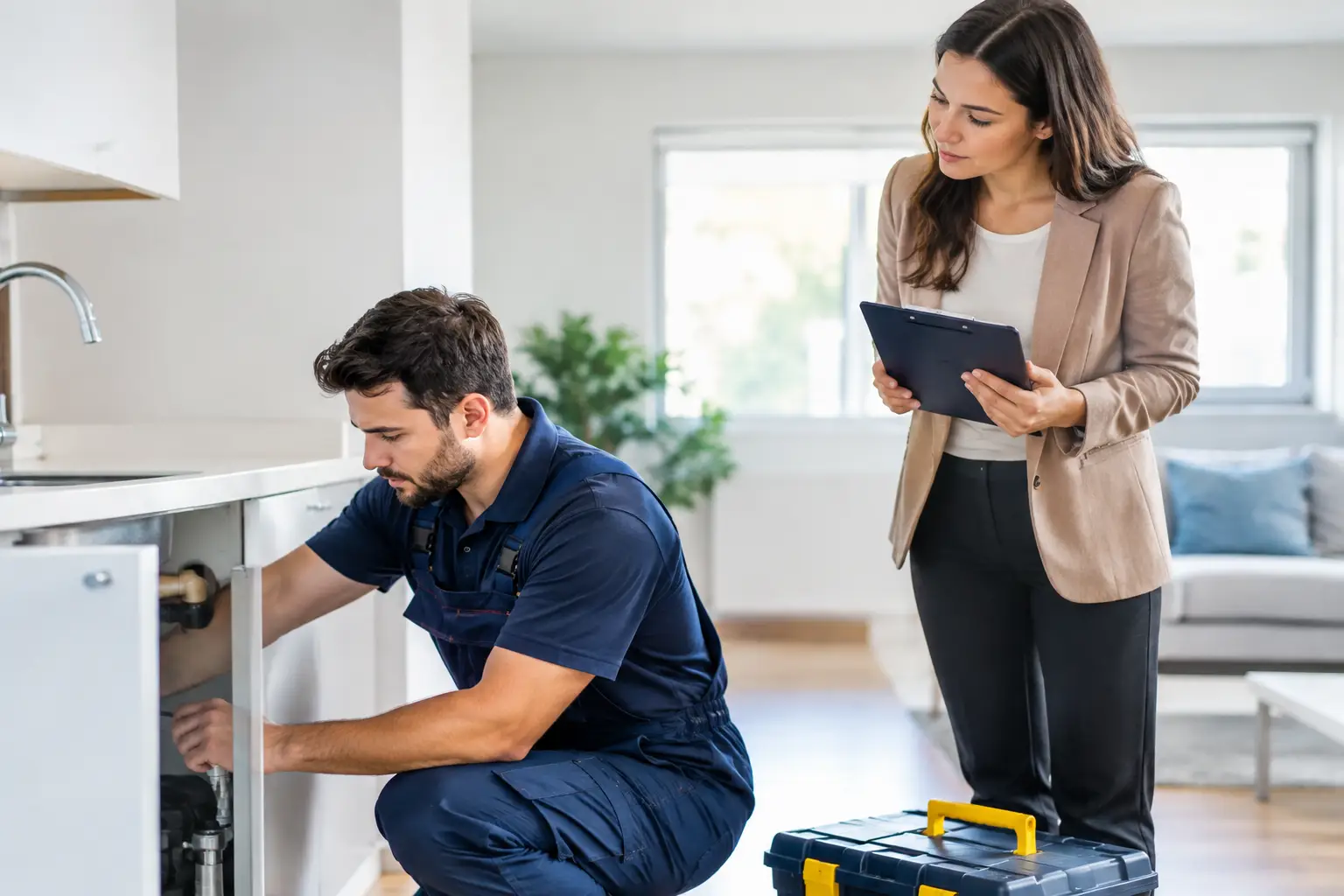
A leaking water heater in an Arcadia rental is not a task to save for the next property visit. It is a decision point: protect the tenant, limit damage, document the response, and send the right professional quickly. How landlords handle maintenance is one of the clearest indicators of whether a rental property will remain profitable, lease well, and earn tenant trust over time.
For California owners, maintenance is more than fixing what breaks. It is an operating system that affects habitability, vacancy risk, insurance claims, lease renewals, and the long-term condition of the asset. The strongest landlords do not simply react faster. They create a repeatable process that makes priorities, communication, approvals, and records clear from the start.
How landlords handle maintenance starts with triage
Every repair request should be assessed by urgency before anyone is dispatched. A gas smell, active water leak, electrical hazard, loss of heat in cold conditions, sewage backup, or an insecure entry point calls for immediate action. In these situations, tenants need clear instructions about what to do while the landlord or manager contacts an emergency vendor.
Urgent does not always mean expensive, but delay can make it expensive. A small roof leak can become damaged drywall, flooring, mold concerns, and a larger insurance issue if it is ignored. The first goal is to stop the immediate risk. The second is to determine the full repair scope once the property is stable.
Non-emergency requests still deserve prompt acknowledgment. A dripping faucet, loose cabinet hinge, or appliance concern may not require an after-hours call, but tenants should know their request was received and what will happen next. Silence is where frustration starts. A simple response with an expected scheduling window can prevent a minor issue from becoming a lease-renewal objection.
Build a clear maintenance intake process
Good maintenance management begins before the first call. Lease documents and move-in materials should tell tenants exactly how to report a problem, which number to use for emergencies, and what information helps speed up a repair. That includes the unit address, photos or video when appropriate, the time the problem began, and whether water, power, heating, or access is affected.
A phone call may be best for an active emergency. For routine work orders, a written system creates a useful record and reduces confusion. The request should capture the problem, the tenant's preferred access times, communications sent, vendor appointments, estimates, invoices, and the final resolution.
This recordkeeping matters when an owner is managing multiple units, but it also matters for a single condo or house. It shows what was reported, how quickly the issue was addressed, and whether the same repair is recurring. Repeated drain calls, for example, may point to a larger plumbing issue rather than a series of unrelated clogs.
Give tenants practical expectations
Tenants do not need a lesson in property operations. They do need to understand the process. Let them know when a vendor will contact them, whether an adult must be present, and how access will be handled if they are away. If a part is backordered or an appointment must be rescheduled, communicate that early.
California landlords should also be thoughtful about lawful notice and entry requirements before non-emergency access. The specific facts matter, especially when there is an emergency, so owners should use current lease language and seek qualified legal guidance when a situation is unclear. Respectful notice and professional communication protect both the tenant relationship and the owner's position.
Use qualified vendors, not just the fastest available name
The right vendor network is a competitive advantage. A landlord who has reliable plumbers, electricians, HVAC technicians, handymen, roofers, restoration specialists, and appliance professionals can respond with more confidence than an owner searching online after a pipe bursts.
Price matters, but the lowest quote is not always the lowest cost. An underqualified repair can fail, create more damage, or expose the property to safety concerns. For licensed work, use properly qualified and insured professionals. For smaller jobs, choose vendors who communicate well, arrive as scheduled, document their work, and treat tenants respectfully.
It helps to set approval limits in advance. For example, a property manager may be authorized to approve emergency mitigation necessary to protect the property, while larger repairs require owner approval after an estimate is reviewed. The right threshold depends on the property, the owner's budget, and the urgency of the work. What matters is that no one is guessing while water is spreading across a floor.
For owners outside Southern California or those with busy professional schedules, a hands-on management team can coordinate vendors, review repair options, and keep the owner informed without requiring them to chase every phone call. Aspire La Shine approaches property operations with that same market-facing focus: protect the asset while keeping the tenant experience organized and responsive.
Budget for repairs and prevent expensive surprises
Maintenance is not the same as capital improvement, but both should be anticipated. A landlord may not know the exact month an HVAC system will fail or when exterior paint will be due, yet the age and condition of major components provide useful planning signals.
Set aside operating reserves for routine repairs and maintain a separate outlook for larger future projects. Roofs, water heaters, HVAC equipment, sewer lines, exterior surfaces, and appliances all have lifecycles. A property that produces positive cash flow on paper can still become stressful if every repair must be funded from scratch.
Preventive maintenance is often less visible than emergency repair, but it protects value. Seasonal HVAC servicing, gutter cleaning, landscape and drainage checks, smoke and carbon monoxide alarm testing, caulking inspections, and early leak detection can reduce disruptive failures. The schedule should fit the property. A newer condo may need a different plan than an older San Gabriel Valley single-family home with mature trees and aging plumbing.
Document the condition, the work, and the cost
Move-in documentation is the baseline for a well-managed rental. Photos, condition reports, appliance details, and written acknowledgment reduce disagreement later. From there, each maintenance event should be attached to a clear file: the original request, relevant messages, vendor findings, estimates, invoices, photos, and completion date.
Documentation is especially useful when deciding whether to repair or replace. If the same dishwasher has needed three service calls in a year, the records make the decision more objective. If a tenant reports a recurring moisture issue, prior notes can reveal whether the root cause was fully addressed.
Owners should review maintenance data periodically, not only when a bill arrives. Look for repeat vendor visits, unusually high costs, slow response times, and categories that keep appearing. This turns maintenance from a string of interruptions into operational insight. It can also identify upgrades that improve rentability, such as better lighting, durable flooring, smart leak sensors, or more efficient appliances.
Balance tenant experience with investment discipline
There is a real trade-off in maintenance decisions. Replacing every item at the first sign of wear can waste capital. Delaying legitimate repairs to preserve short-term cash flow can damage the property, weaken tenant retention, and create larger exposure later.
The best approach is practical and fact-based. Address health, safety, water intrusion, security, and habitability concerns quickly. For cosmetic or convenience issues, set reasonable timelines and communicate them. For major replacements, compare the remaining useful life, repair history, downtime, operating cost, and effect on future leasing.
Well-maintained rentals are easier to market because the condition supports the asking rent. Tenants notice clean common areas, working systems, responsive communication, and homes that feel cared for. Those details influence reviews, referrals, renewal decisions, and the quality of future applicants.
A maintenance plan will never eliminate surprises. It does make the response more controlled: the tenant knows whom to contact, the vendor knows the scope, the owner knows the approval path, and the property stays protected. That is the kind of everyday discipline that helps a California rental perform like an investment rather than a recurring emergency.